Queen vs King Bed: Which One Fits a Small Bedroom?
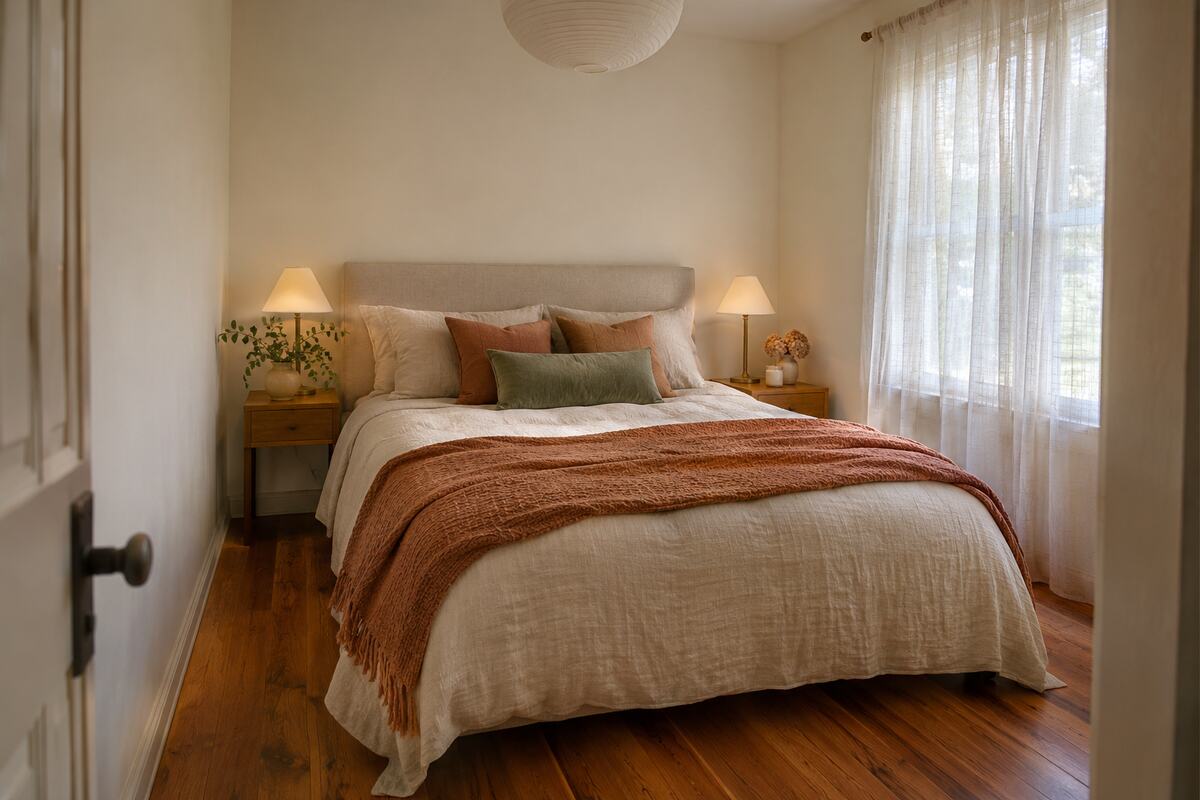
Choosing between a queen vs king bed for a small bedroom comes down to two numbers: how wide the bed frame is and how much floor is left to walk around it. This guide gives you both, with mattress sizes, room sizes and walkway clearances from mattress makers’ and furniture retailers’ own guides, plus a side-by-side table and a verdict.
Where those guides disagree, you get the range instead of one tidy number. Grab a tape measure and note your room’s width before you scroll; you will use it in the walkway math below.
Queen vs king bed: the short answer
A queen mattress is 60 by 80 inches and a standard king is 76 by 80 inches, so the king is 16 inches wider and exactly the same length. In a small bedroom, that extra width comes straight out of your walkways.
Pick the king only if your room still leaves about two feet on each side you use once the frame is in. If it does not, a queen is the better bed for that room.
Side by side: queen vs king vs California king
| Queen | King | California king | |
|---|---|---|---|
| Mattress size | 60 x 80 inches | 76 x 80 inches | 72 x 84 inches |
| Width per sleeper, two people | 30 inches | 38 inches | 36 inches |
| Typical frame size (Wayfair) | 62 to 65 wide, 82 to 85 long | 78 to 81 wide, 82 to 85 long | 74 to 77 wide, 86 to 89 long |
| Smallest room suggested | 10 x 10 ft (Casper), 11 x 10 ft (Wayfair) | 12 x 12 ft (Casper, Wayfair) | 12 x 12 ft (Casper, Saatva) to 14 x 12 ft (Wayfair) |
| Bedding | Most popular mattress size in the US | Accessories often cost more than queen | Harder to find; king sheets do not fit |
| Best for | One sleeper, or a couple who likes being close | Couples who spread out, kids or pets in the bed | Tall sleepers, long and narrow rooms |
Source: King vs. Queen Bed: Size and Comparison Guide, Casper; Mattress Sizes and Bed Dimensions Guide, Casper; The Sleep Expert Comparison Guide: King vs. Queen Mattress, Mattress Firm; California King vs. King: What’s the Difference?, Saatva; How to Find the Right Bed Size for Your Space, Wayfair
Mattress Firm’s chart sets the bar lower, listing a queen for rooms of about 7 x 11 feet or larger and a king for about 9 x 11 feet or larger. Treat the lower figures as the bare minimum and the larger ones as the more comfortable fit.
Mattress dimensions: how much bigger is a king?
A king adds width, not length: both standard beds are 80 inches long, and the king is 16 inches wider. That works out to 6,080 square inches of sleeping surface on a king against 4,800 on a queen, or about 27% more space.
The California king trades width for length. It is 72 inches wide and 84 inches long, and its surface area is nearly the same as a standard king’s, about 41.9 square feet against 42.2.
MATTRESS FOOTPRINTS COMPARED
Shapes show each mattress in proportion, side by side on a wide screen. Mattress only, no frame.
Queen: 60 x 80 inches
King: 76 x 80 inches
California king: 72 x 84 inches
How big a room do you need for each bed?
Every brand publishes a minimum room size, and they do not agree. Here is what each guide says, so you can see the whole range.
- Queen: Casper calls 10 x 10 feet the minimum and says 10 x 12 feet feels more comfortable for furniture and walkways. Wayfair suggests 11 x 10 feet.
- King: Casper and Wayfair both point to 12 x 12 feet. Saatva says a king will technically fit in a room as small as 10 x 12 feet but calls 14 x 19 feet ideal.
- California king: Casper and Saatva list 12 x 12 feet as the minimum, while Wayfair recommends 14 x 12 feet.
Wayfair’s rule of thumb is a bed that covers about one-third of the floor, and it admits that ratio can be unrealistic in small bedrooms. So treat the room sizes as a first filter, then do the walkway math for your own room.
Measure the frame, not the mattress
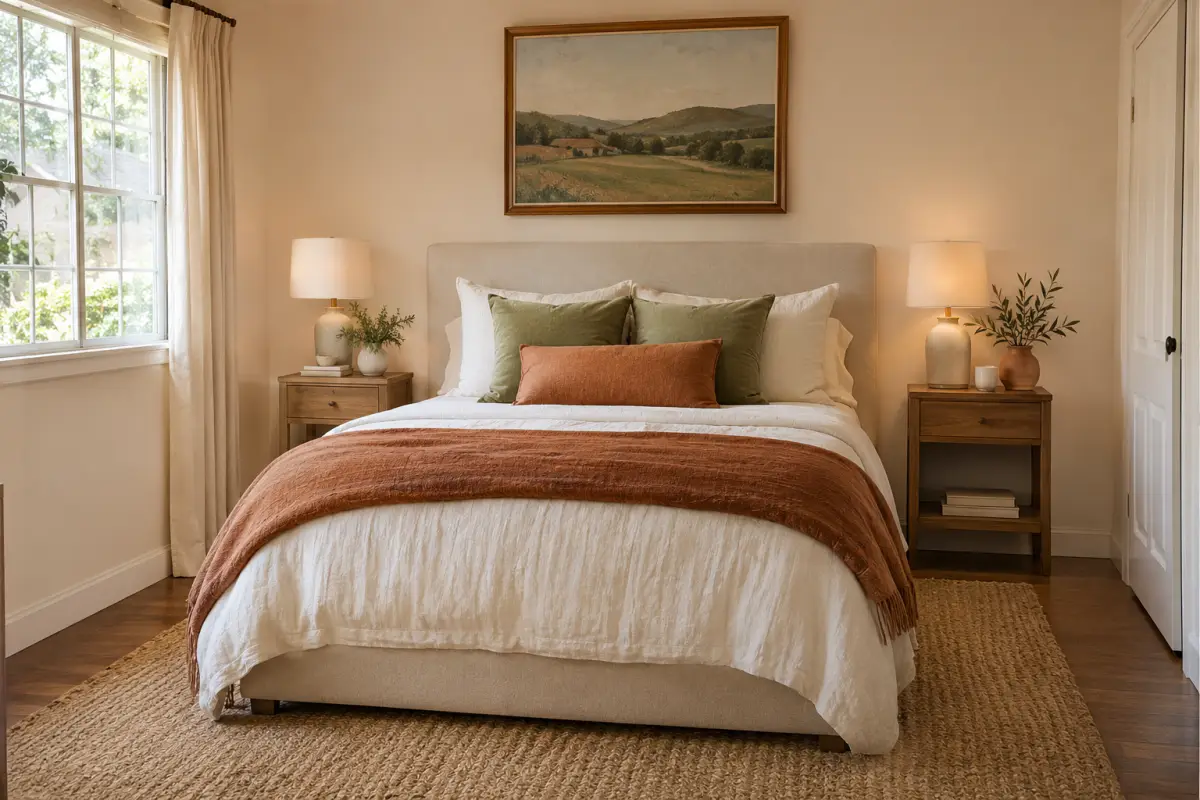
The mattress size is only the starting point. Wayfair says bed frames typically add 2 to 5 inches to the length and width of the mattress.
The frame style matters too. Three queen frames in Bel Furniture’s own catalog range from 67 to 76 inches wide, all for the same mattress, so the widest of them is as wide as a king mattress.
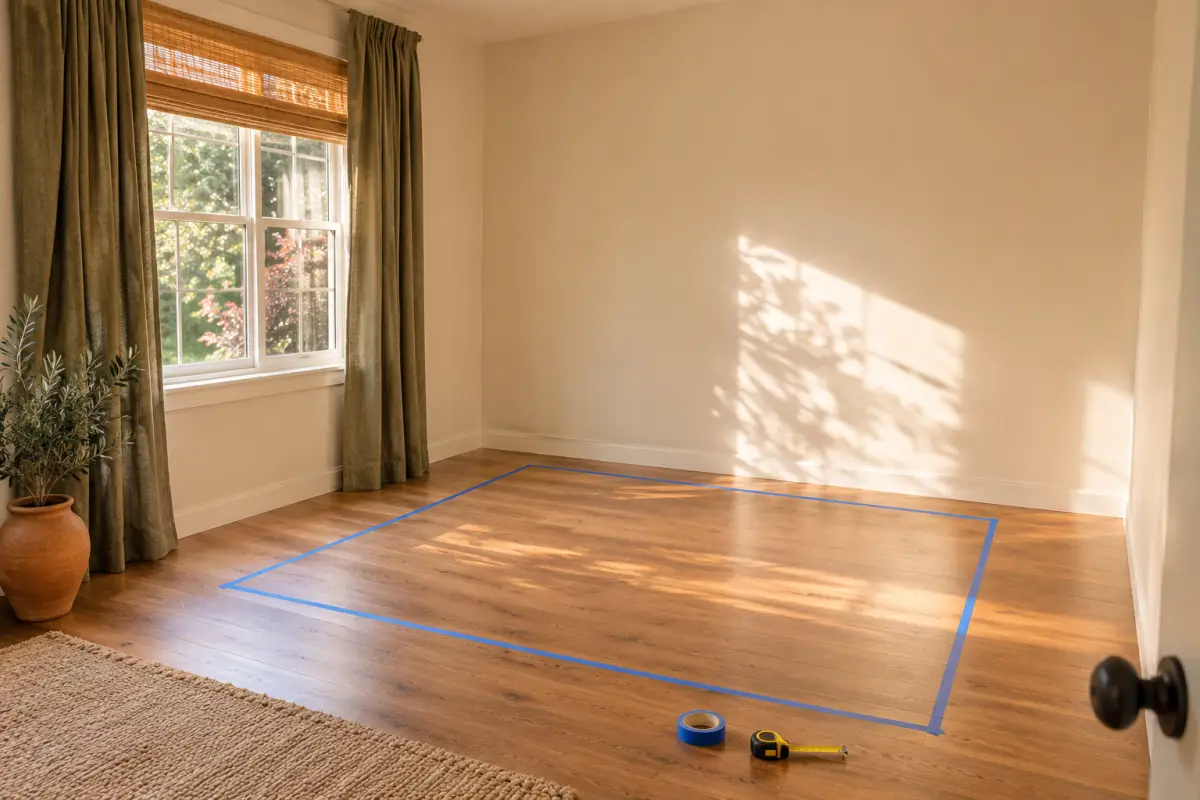
Before you buy, find the frame’s overall width and depth on its product page. Tape that rectangle on the floor along with your nightstands and dresser, then open the closet and entry door to check nothing collides, as Bel Furniture’s room guide suggests.
Walkway math: will a king bed fit in your room?
This is the test the size charts skip. For a bed centered on a wall, Bel Furniture’s formula is: side gap = (room width minus frame width) ÷ 2.
- Measure the bed wall in inches, wall to wall.
- Subtract the frame’s overall width from the product page.
- Divide what is left by two. That is your walkway on each side.
- Compare it with the clearances below.
How much walkway is enough? The guides give a range:
- Castlery’s clearance guide: 18 to 24 inches on any side you use to get in and out, and 30 inches or more where two people pass.
- Wayfair: at least 24 inches on either side and at the foot of the bed, ideally 3 feet or more, and beds for two people should stay off the wall so both sides are reachable.
- Mattress Firm: about two feet on each side of the mattress.
- Bel Furniture: roughly 30 to 36 inches in the main walking areas where the layout allows.
Bel ran its formula for one of its own designs, a 67-inch-wide queen frame and an 82-inch-wide king frame, both 89 inches deep. These are its numbers before any nightstand or dresser goes in:
WALKWAY ON EACH SIDE OF THE BED
Bel Furniture's worked example: 67-inch queen frame vs 82-inch king frame, bed centered.
10 x 10 feet room
Queen: 26.5 inches per side
King: 19 inches per side
11 x 12 feet room
Queen: 32.5 inches per side
King: 25 inches per side
12 x 12 feet room
Queen: 38.5 inches per side
King: 31 inches per side
Read those against the clearances. In a 10 x 10 room, that king leaves 19 inches a side: inside Castlery’s 18 to 24 inch range, but short of Wayfair’s 24-inch minimum. In a 12 x 12 room, it leaves 31 inches a side, which clears every guide above.
Nightstands need wall width too. Wayfair says a pair of 24-inch nightstands needs another 26 to 30 inches on either side of the bed, and Mattress Firm notes most nightstands are about 24 inches wide. Add the frame width and both nightstand allowances, and check that total against the wall the bed sits on.
Who sleeps there?
Room size decides what fits. Who sleeps in the bed decides what you need.
- Two adults: on a queen, each sleeper gets 30 inches of width; on a king, each gets 38, about the width of their own twin XL.
- Side sleepers: Mattress Firm says side sleepers tend to take up less room than back and stomach sleepers, so a couple who both sleep on their sides may be fine on a queen.
- Kids or pets in the bed: Mattress Firm suggests a king for couples whose kids or pets share the bed, and says one person with a pet or child may have enough room on a queen.
- Tall sleepers: a standard queen and king are the same length, so height alone is no reason to size up. A California king is 84 inches long, and Casper says it solves the legroom problem if you or your partner are over 6’2”.
- Couples who like closeness: bigger is not always better. Mattress Firm’s guide quotes a sleep specialist who has talked to couples who switched to a king and later downsized, because they missed being close.
Cost and bedding
A king costs more up front. Mattress Firm’s sleep expert says to expect to pay about $500 more for a king mattress than a queen, though the exact gap depends on the model. The size does not change how a mattress feels or how long it lasts, so you are paying for space, not quality.
The extras add up too. Casper notes that bed accessories for a king are often more expensive than the queen versions, so price the frame, headboard, sheets and duvet along with the mattress.
California king bedding is the one to watch. Saatva says it can be harder to find because the size is less common, and king sheets will not fit a California king. Our bedding ideas work in any of the three sizes once you know which one to shop for.
Will it get through the door?
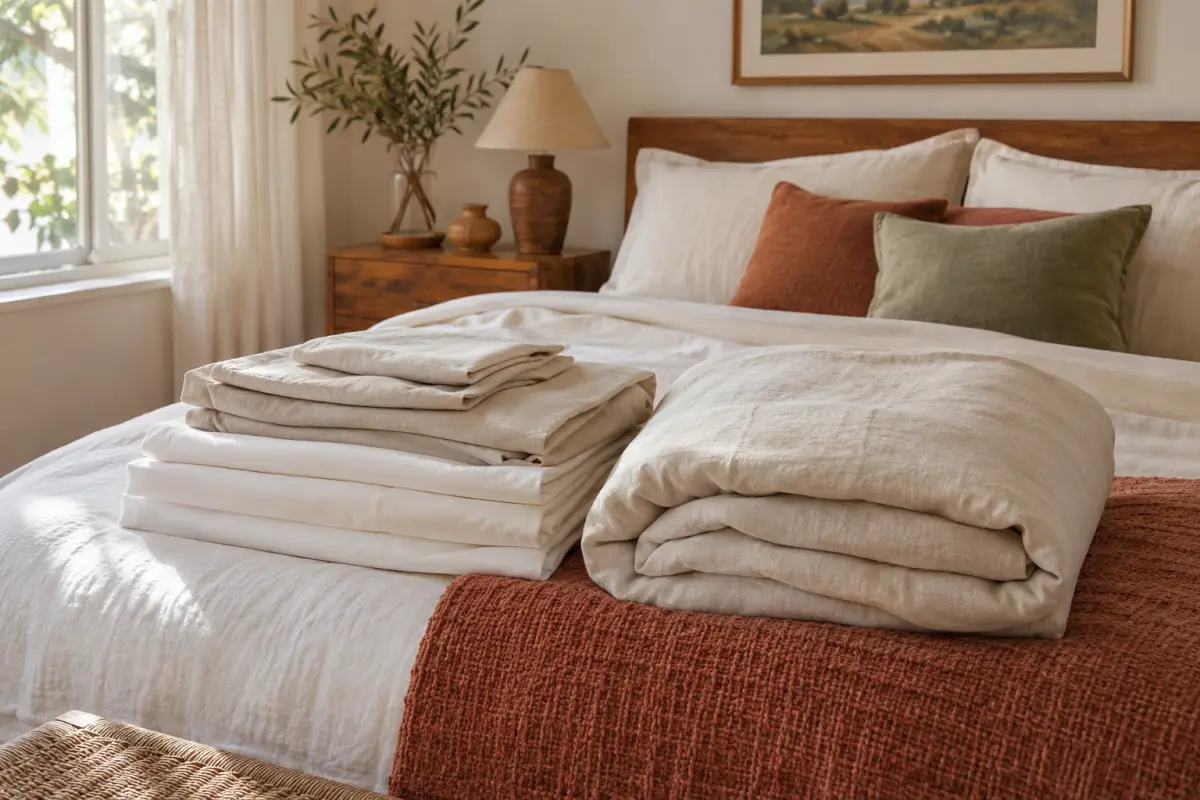
Measure the route as well as the room. Casper says most mattress sizes fit through stairways and door frames but tells you to check your entryways first, and Bel adds stairs, landings, tight turns and the largest frame or headboard piece to that list.
A king is also heavier to carry, and Casper suggests a lighter queen if you live on a top floor or move often. Casper also notes that a standard king box spring kit ships as two twin XL pieces.
Tight stairs? A split king uses two twin XL mattresses with the same overall size as a king, and Saatva says that is much easier to fit up a narrow staircase.
How to make a king work in a small bedroom
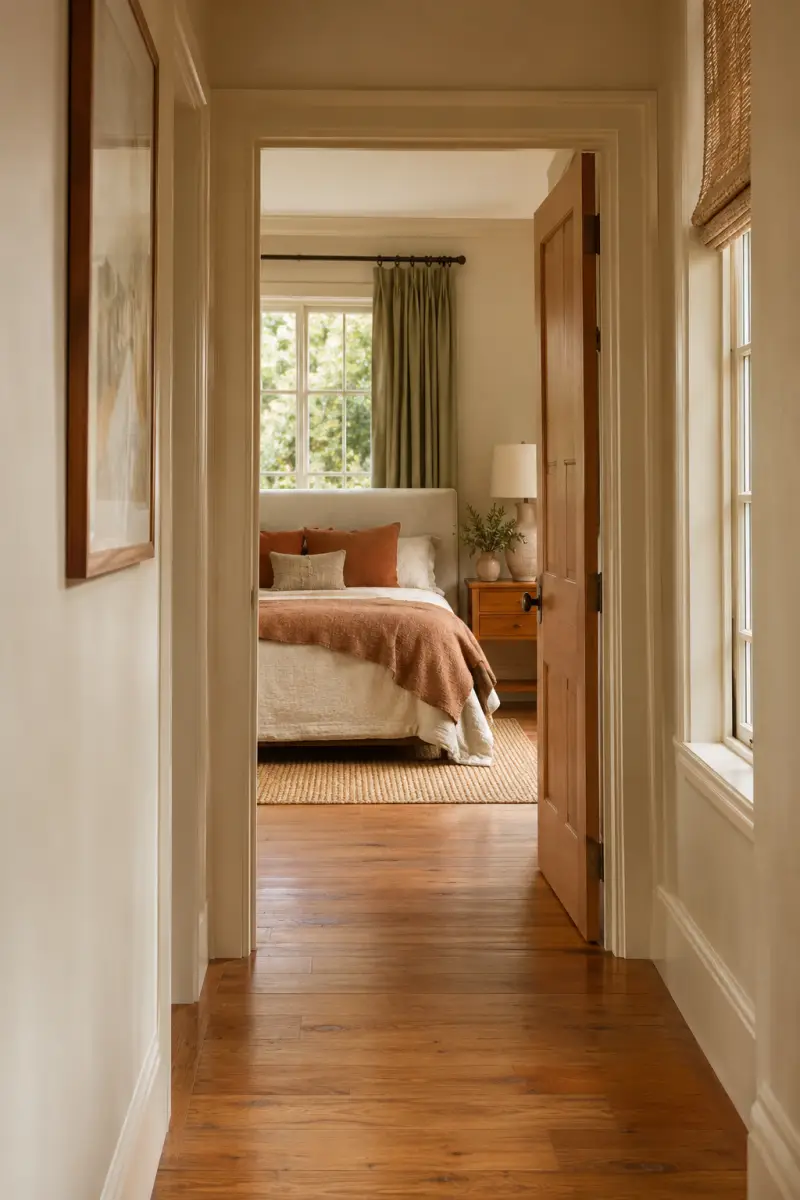
Set on a king for a smaller room? These moves win back floor space.
- Swap nightstands for a storage headboard. Casper suggests a headboard with storage cubbies or shelves instead of nightstands. Handy? Our DIY headboard guide shows how to build one in a weekend.
- Move the dresser. Put it in the closet, or drop it and store things under the bed. Our small bedroom furniture ideas include storage beds and slim chests.
- Keep the sides open. Wayfair says beds for two should stay off the wall. Castlery allows one side against the wall as long as no storage opens on that side, which works best if only one person gets in and out.
- Plan the whole room on paper. Our small bedroom layout guide walks through bed placement, door swings and drawer clearances step by step.
- Look at an Olympic queen. Casper lists it at 66 x 80 inches, six inches wider than a standard queen, for couples whose room cannot comfortably fit a king.
A bigger bed usually needs a bigger rug as well, so check our bedroom rug placement guide before you order one.
The verdict: queen or king?
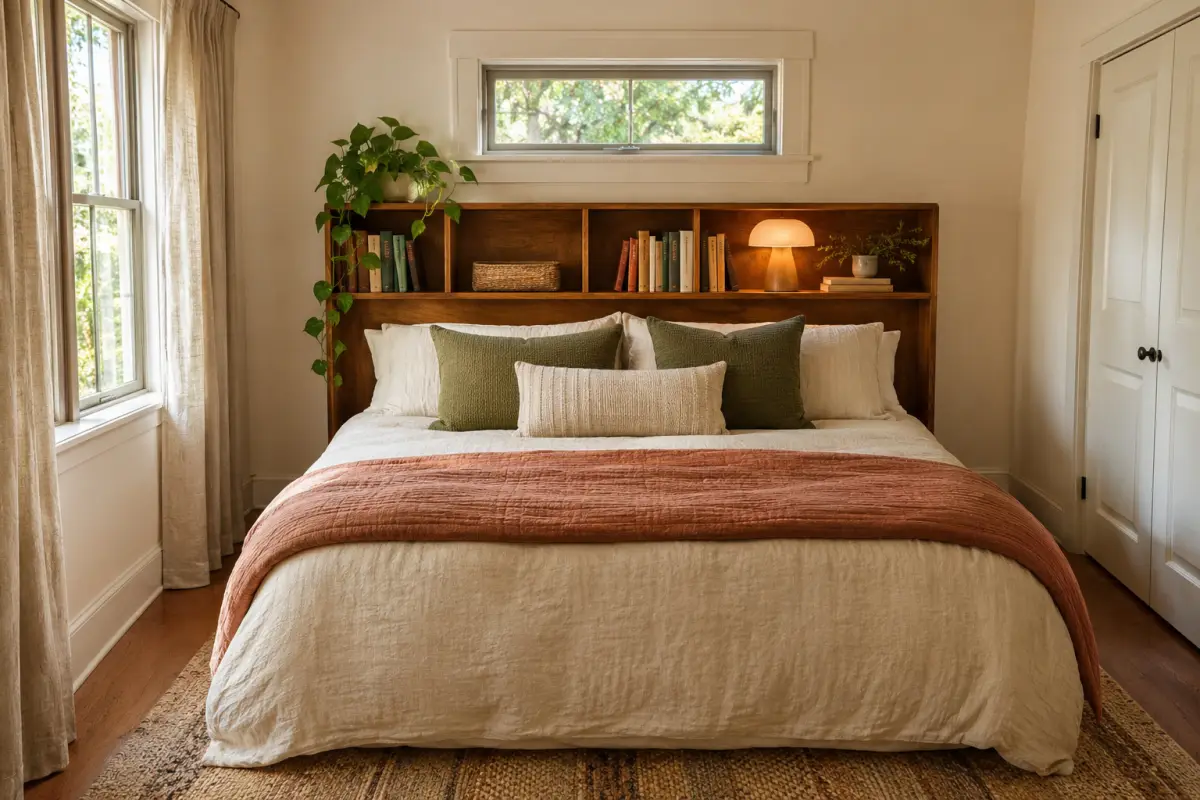
For most small bedrooms, the queen is the better bed. It leaves room for walkways, nightstands and a dresser, it costs less, and it is the most popular mattress size in the US. The king earns its place when two sleepers, kids or pets need the width and the walkway math still works.
PICK YOUR BED
Choose a queen if
your room is under the 12 x 12 feet Casper and Wayfair suggest for a king, you sleep alone or close together, or the room also holds a desk or dresser.
Choose a king if
the frame still leaves about two feet on each side you use, two adults spread out or share with kids or pets, and the route in is clear.
Choose a California king if
someone is over 6'2" or the room is long and narrow, and you are fine shopping for less common bedding.
Queen vs king bed FAQ
Do most couples sleep in a king or queen bed?
The queen is the most popular mattress size in the US, and Casper calls it the practical sweet spot for most couples. A king makes more sense when kids or pets regularly join you.
Can a 12x10 bedroom fit a king bed?
It can, but it is tight. Saatva says a king technically fits a room as small as 10 x 12 feet, while Casper and Wayfair both suggest 12 x 12.
With Bel Furniture’s 82-inch king frame on a 12-foot wall, you get 31 inches on each side, and a 10-foot length leaves 31 inches past the foot of its 89-inch-deep frame. That is enough to walk, but not enough for a dresser at the foot of the bed.
Is a king bed too big for a 12x12 room?
No. A 12 x 12 foot room is the size Casper and Wayfair suggest for a king, and Bel’s example king frame leaves 31 inches on each side and 55 inches at the foot there. Nightstands and a dresser make it tighter, so tape it out first.
What are the disadvantages of a king-size bed?
It takes more floor space and costs more, for the mattress and for the bedding. It is heavier to move, can be hard to get up narrow stairs, and some couples miss the closeness of a smaller bed.
Is a California king bigger than a king?
Not overall. A California king is 72 by 84 inches and a king is 76 by 80, so the California king is longer but narrower, and their surface areas are nearly identical.
Save this comparison to your bedroom board before you shop, and browse more bed and headboard ideas in our headboards and beds section. Once the bed is picked, the small bedroom layout guide shows you where to put it.
Sources
- King vs. Queen Bed: Size and Comparison Guide, Casper, 2025-08-07
- The Sleep Expert Comparison Guide: King vs. Queen Mattress, Mattress Firm, 2026-11-10
- How to Find the Right Bed Size for Your Space, Wayfair
- Mattress Sizes and Bed Dimensions Guide, Casper
- California King vs. King: What’s the Difference?, Saatva, 2023-08-30
- King vs. Queen Bed: Sizes, Room Requirements, Costs & Which Should You Buy?, Bel Furniture, 2026-11-11
- Storage Bed Clearance: Will It Fit? How to Measure, Castlery, 2026-07-29